


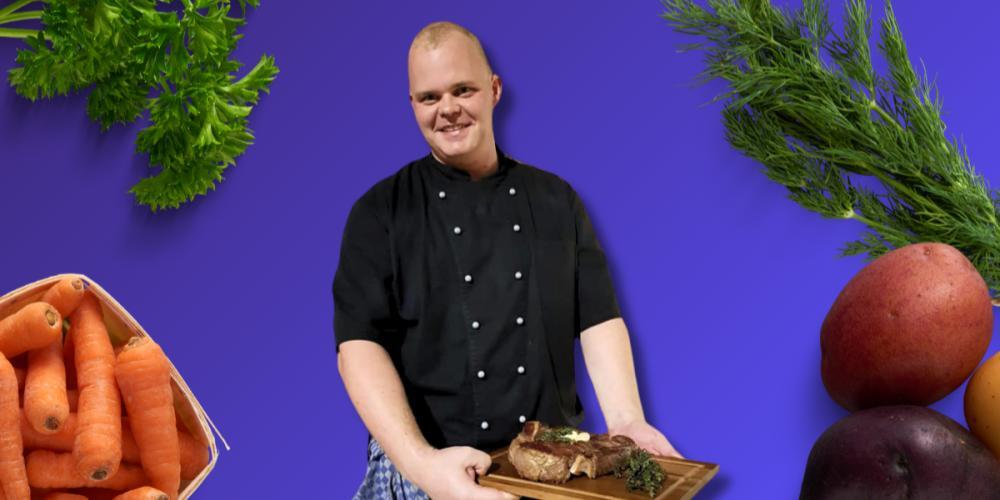
This month on Pass It On, we’re spotlighting Chef Romano Kreutz, Executive Chef at Amari Bangkok. Whether it’s reducing food waste or redefining modern kitchen culture, Romano offers a grounded perspective on what it means to be a chef today. Read on for his journey, reflections, and insights that speak to a new generation of hospitality leaders.
From Passion to Plate
Take us along your culinary journey. What inspired you to become a chef?
School was never easy for me. I struggled with writing and felt like I didn’t fit into the traditional academic mold. At 19, I left home in Berlin to see the world. Inspired by chefs like Tim Raue, who brought bold Asian flavors into European fine dining, I moved to Asia to experience that world firsthand. I didn’t know where it would lead, but I kept pushing. If you’d told me back then that I’d become an Executive Chef in Bangkok, I’d have said you were crazy.
If you could have one final meal, what would it be?
It would be my mum’s green bean stew with tender beef— “Grüne Bohnen Eintopf mit Rindfleisch”. The stew is simple but full of flavor: slow-cooked beef, fresh green beans, potatoes, carrots, and just the right mix of herbs, simmered until everything melts together. For me, that bowl is more than just food; it’s my mum’s way of saying, “You’re home. You’re safe.”
Was there a moment that made you rethink how food waste is managed?
Absolutely. I remember standing in the back of a banquet kitchen after a 1,000-guest event in 2016, we were scraping tray after tray of untouched food into garbage bins. I felt sick—not just at the waste, but at my own role in it. That was the night I decided that as chefs, we have a duty beyond flavor and presentation. We need to be guardians of what we use and what we waste.
Ingredients of Success
What are your ingredients for success?
Humility, grit, curiosity, and compassion. Humility means knowing you don’t have all the answers—and that’s okay. Grit carries me through tough days, while curiosity keeps me learning and challenging the norms. But you also need boundaries. It’s something I’ve come to value deeply. Especially with the new generation, we’re learning that balance isn’t weakness—it’s strength. Finally compassion grounds it all—reminding me that my team are people first, cooks second, and that every plate carries a piece of someone’s heart.
What’s the best piece of advice you’ve received?
My mother once told me, “Never rush a good thing”.Whether it’s a stew, a friendship, or your own dreams—let them take their time. The best flavors, and the best things in life, need patience. I carry that with me, especially on the tough days.
What challenges have you faced, how did you overcome them?
I’ve worked in countries where I didn’t speak the language. I’ve also felt isolated at times. I overcame those moments by staying open, asking questions, and reminding myself why I chose this path. Discomfort often means you’re in the middle of something meaningful.
What drives you?
Gratitude, and the desire to keep moving forward. Some mornings are hard—but then I think back to the 19-year-old version of myself who left home just wanting to see the world. I’ve come a long way. And now, people rely on me. That responsibility is something I take seriously—it keeps me going.
Creative Fuel: Podcasts
When it comes to podcasts, I’m drawn to those that go beyond the food. I listen to Gastropod, which blends food with history and science. It reminds me that food is never just food—it’s culture, economics, psychology. The Delicious Podcast is another favourite.
Proof in the Pudding
What’s your proudest achievement in reducing food waste?
Within 4 months of installing Winnow, we have reduced buffet waste by more than a third which is huge - but what I’m most proud of is how we changed our mindsets. We’re constantly finding creative ways to reuse food whether it's turning surplus bread into new dishes or saving trimmings for stock.
Bite-Sized Pro Tips
What’s the most important tip you’d give to chefs aiming to reduce waste in their kitchens?
“Waste is the shadow of haste. Slow down, and you’ll find value where you least expect it.”
Treat every ingredient as if it was harvested or raised by you or your own family. Waste isn’t just lost money—it’s lost effort, lost respect. Ask your team for ideas, listen to the “why” behind the numbers, and celebrate every small win together.
Creative Fuel: Books
Books have always been a source of grounding and perspective for me. Waste: Uncovering the Global Food Scandal by Tristram Stuart stands out for me - It didn’t just inform; it challenged me pushing me to take action on food waste. Then there’s Kitchen Confidential by Anthony Bourdain, which speaks to the raw chaos and beauty of kitchen life—a reminder of why so many of us fell in love with this crazy life. Finally, I recommend Wisdom and Methodology of a Cook — not just for its content, but for how it reframes cooking as a mindset and a discipline




Comment on my blog